Education is more than just a pathway to personal success—it’s a fundamental human right and the cornerstone of thriving societies. Yet, in 2025, millions of children and adults worldwide remain locked out of classrooms, libraries, and learning opportunities due to systemic barriers like poverty, gender inequality, conflict, and inadequate infrastructure. For Vishope Foundation, the mission is clear: to dismantle these obstacles and unlock the transformative power of education for every individual, regardless of where they are born or the circumstances they face.
The State of Education Access Today
As of March 2025, the global education landscape reflects both progress and persistent gaps. UNESCO estimates that over 250 million children and youth are out of school, a figure that has fluctuated but not sufficiently declined in recent years. The COVID-19 pandemic exposed and exacerbated vulnerabilities in education systems, with millions of learners still struggling to recover lost ground. Digital divides widened, rural communities remained underserved, and marginalized groups—such as girls, refugees, and children with disabilities—faced even steeper hurdles.
Consider this: in sub-Saharan Africa, more than 1 in 5 primary-school-age children are not enrolled, while in conflict zones like Syria or Yemen, schools have become targets rather than sanctuaries. Closer to home, even in wealthier nations, disparities in education quality and access persist along socioeconomic and racial lines. These statistics aren’t just numbers—they represent missed opportunities, untapped potential, and a call to action.
Why Education Access Matters
Education is a multiplier of opportunity. It equips individuals with the skills to escape poverty, contribute to their communities, and advocate for their rights. Studies consistently show that each additional year of schooling can increase a person’s income by up to 10%, with even greater returns for women. Beyond economics, education fosters critical thinking, health awareness, and civic engagement—building resilient societies that can tackle global challenges like climate change and inequality.
For Vishope Foundation, the ripple effects of education are personal. Take Racho, a 16-year-old girl from a rural village in Oyam District-Uganda. Without intervention, her days would have been spent fetching water and early marriage, her dreams of becoming a doctor fading with each passing year. Thanks to Vishope Foundation’s community school program, Racho now attends classes, excels in science, and inspires her peers. Her story is one of countless others waiting to be written—if only we can bridge the gap.
The Barriers We Must Overcome
The road to universal education access is obstructed by complex, interconnected challenges:
- Poverty: For many families, school fees, uniforms, and supplies are luxuries they can’t afford. Child Labor often takes precedence over learning, perpetuating cycles of deprivation.
- Gender Inequality: In some regions, girls are disproportionately denied education due to early marriage, cultural norms, or lack of safe facilities. UNESCO reports that 130 million girls worldwide are out of school—a staggering loss of potential.
- Conflict and Displacement: War uproots millions, turning schools into rubble and students into refugees. Over 75 million children in conflict zones have disrupted education, according to UNICEF.
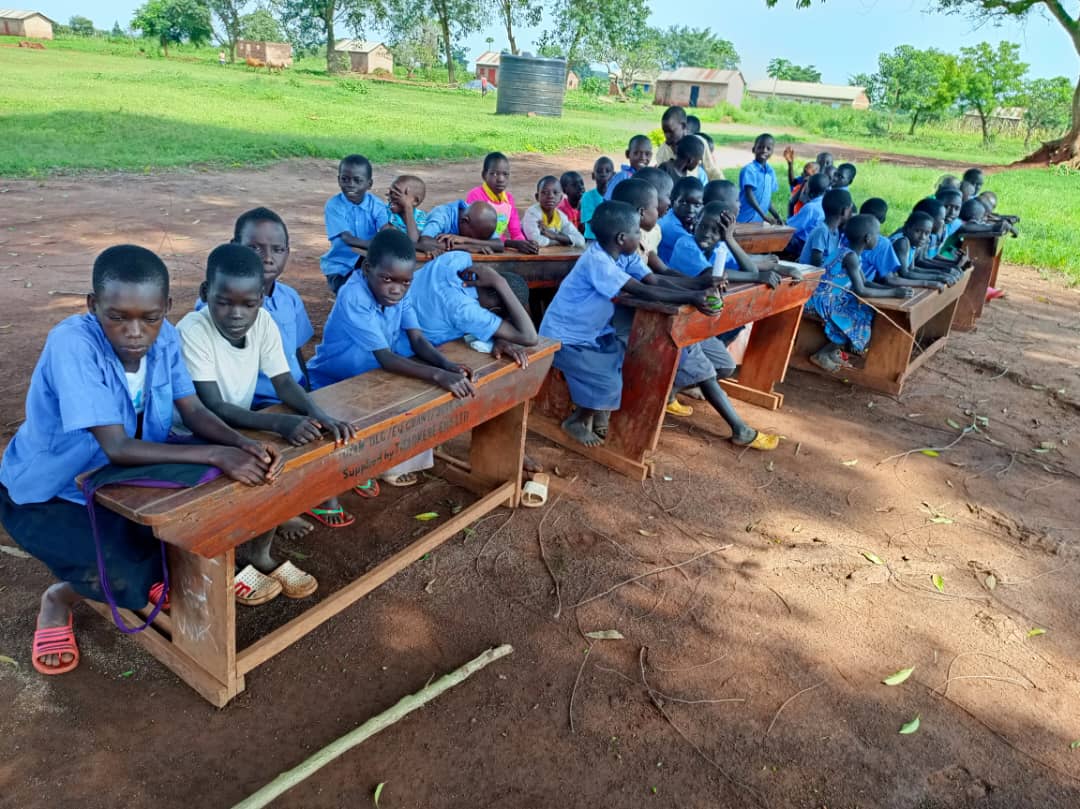
- Infrastructure Gaps: Remote areas often lack schools, qualified teachers, or basic resources like textbooks and electricity. The digital divide further isolates those without internet access or devices.
- Discrimination: Children with disabilities, ethnic minorities, and indigenous groups frequently face exclusion, whether through inaccessible facilities or biased policies.
These barriers are daunting, but they are not insurmountable. At Vishope Foundation, we believe that targeted, innovative solutions can turn the tide.
Our Approach: Building Bridges to Learning
For years, Vishope Foundation has worked tirelessly to ensure education reaches the hardest-to-reach. Our strategies are rooted in collaboration, innovation, and a deep commitment to equity:
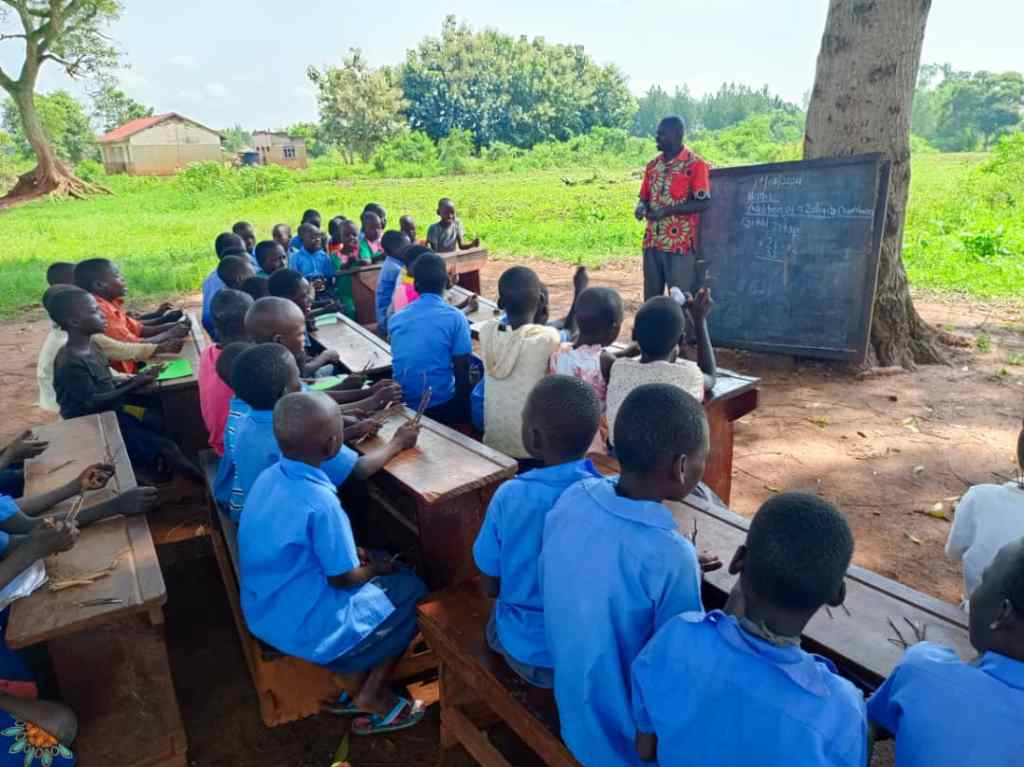
- Community-Based Schools: In regions where formal schools are scarce, we establish local learning hubs staffed by trained educators. These hubs provide flexible schedules and culturally relevant curricula, ensuring education fits into the lives of students like Racho.
- Scholarships and Support: We offer financial aid to cover school costs, alongside mentorship programs to keep students motivated and on track.
- Advocacy for Girls: Through partnerships with local leaders, we challenge norms that keep girls out of school, while building safe spaces—complete with sanitation facilities—to support their attendance.
- Technology for Inclusion: In 2025, digital tools are non-negotiable. We deploy solar-powered learning centres and mobile apps to deliver lessons in remote areas, bridging the gap where traditional infrastructure falls short.
- Teacher Training: Quality education demands quality educators. We invest in professional development to empower teachers with the skills to inspire and adapt to diverse learners.
One recent success story comes from our work in oyam, where we transformed a leaking grass thatched church into a thriving learning centre for 150 students. By constructing it, providing books and pens, chairs, and trained staff, we saw attendance soar by 80% in just one year. These victories fuel our determination to scale up.
The Role of Global Solidarity
While Vishope Foundation drives change on the ground, the fight for education access is a shared responsibility. Governments, corporations, and individuals all have a part to play. Policy reforms must prioritize funding for education—UNESCO estimates an annual shortfall of $39 billion to achieve universal primary and secondary education by 2030. Private sector innovation can accelerate progress, from affordable ed-tech solutions to corporate social responsibility initiatives. And everyday people—donors, volunteers, advocates—can amplify the cause with their voices and resources.
Imagine a world where every child attend school not as a privilege, but as a given. That vision is within reach, but only if we act together.
Call to Action: Join Us
At Vishope Foundation, we’re not just dreaming of change—we’re making it happen, one student at a time. But we can’t do it alone. Here’s how you can help:
- Donate: Your contribution funds scholarships, builds schools/Learning Centres, and trains teachers. Even a small gift can send a child to class for a year.
- Volunteer: Share your skills—whether teaching, fundraising, or spreading awareness—and become part of our global network.
- Advocate: Raise your voice. Tell your leaders to prioritize education funding and policies that leave no one behind.
- Spread the Word: Share this blog, talk about education access, and inspire others to care.
Every step forward counts. When you support Vishope Foundation, you’re not just giving a child a book or a desk—you’re giving them a future.
Looking Ahead
As we move through 2025, the urgency of education access grows. Climate crises, economic shifts, and technological advances will demand a generation equipped to adapt and lead. If we fail to educate today’s youth, we fail tomorrow’s world. But if we succeed, the payoff is limitless—innovators, peacemakers, and changemakers emerging from every corner of the globe.
Racho’s journey is just the beginning. With your help, Vishope Foundation can reach millions more, proving that education isn’t a luxury—it’s a right worth fighting for. Together, let’s break the barriers and build a world where every learner thrives.
For more information or to get involved, contact us at admin@vishope.org

Leave a comment